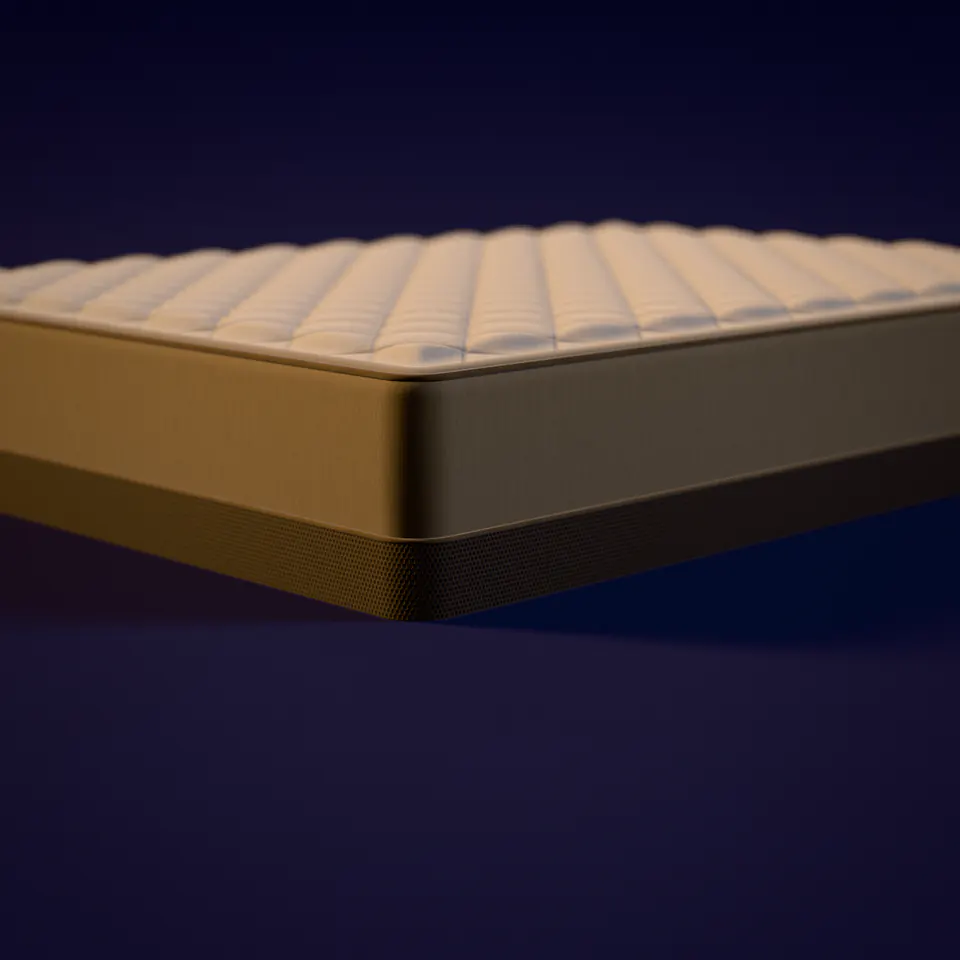
Rank 1: Helix
Helix Plus
Strong match89/100 for the example profile
Its firmness (about 7/10) sits inside the 6–9/10 range that keeps a back sleeper at your weight aligned.
- Type
- Hybrid
- Firmness
- Medium-firm
- Queen price
- $849
- Trial
- 100 nights
Sleep position
Lying on your back spreads your weight widely. What matters is keeping your hips from sinking below your shoulders.
| Body weight | Comfort window |
|---|---|
| Under 130 lb | 4–7/10 |
| 130–179 lb | 5–8/10 |
| 180–229 lbExample profile on this page | 6–9/10 |
| 230 lb and up | 7–10/10 |
Firmness on a 1–10 scale, from scoring rules v0.2. Updated .
The Sleep Foundation lists back sleeping as the second most popular position. It spreads your weight over the widest area of any position, so pressure points are less of a concern than on your side. Your hips and pelvis still carry a large share of your weight, though, and they decide how level you lie.
On a surface that is too soft the hips sink and the lower back arches downward. On one that is too firm the small of the back can be left unsupported. The aim is a gentle, even contact from shoulders to heels.
Source: Sleep Foundation: Best sleeping positions
What matters
Support & alignment
The engine weights support more heavily for back sleepers. Support is scored from how close the mattress firmness sits to the center of your comfort window.
Pressure relief
Some give at the surface lets the lower back meet the mattress rather than hover above it. A thin comfort layer over a supportive core is often enough.
Durability
A mattress that softens unevenly develops a dip under the hips, the exact spot back sleepers need held up. At higher body weights durability gets more weight in the score.
| Dimension | Weight for this profile | Default weight |
|---|---|---|
| Pressure relief | 19%▼ down | 20% default |
| Support & alignment | 28%▲ up | 25% default |
| Cooling | 14%▼ down | 15% default |
| Motion isolation | 14%▼ down | 15% default |
| Edge support | 14%▼ down | 15% default |
| Durability | 10% | 10% default |
The thin mark on each bar is the default weight. Weights are re-balanced to total 100%, so when one rises the others fall slightly. Your own answers (temperature, partner, pain, edge, weight) change them further.
Back sleepers usually land in the middle to firmer part of the scale, and the window moves up with weight. A heavier back sleeper needs noticeably more support than a lighter one to keep the hips level.
Because back sleepers spread their weight, they are often comfortable across a slightly wider range than side sleepers. Your own preference within the window is a fair tie-breaker.
Read more in how to choose mattress firmness.
Ranked by the Match Score engine
For the example profile below (back sleeper, 180 lb, prefers medium-firm, neutral temperature), these rank highest in the current catalog.
Example profile used for this ranking
Rank 1: Helix
Strong match89/100 for the example profile
Its firmness (about 7/10) sits inside the 6–9/10 range that keeps a back sleeper at your weight aligned.
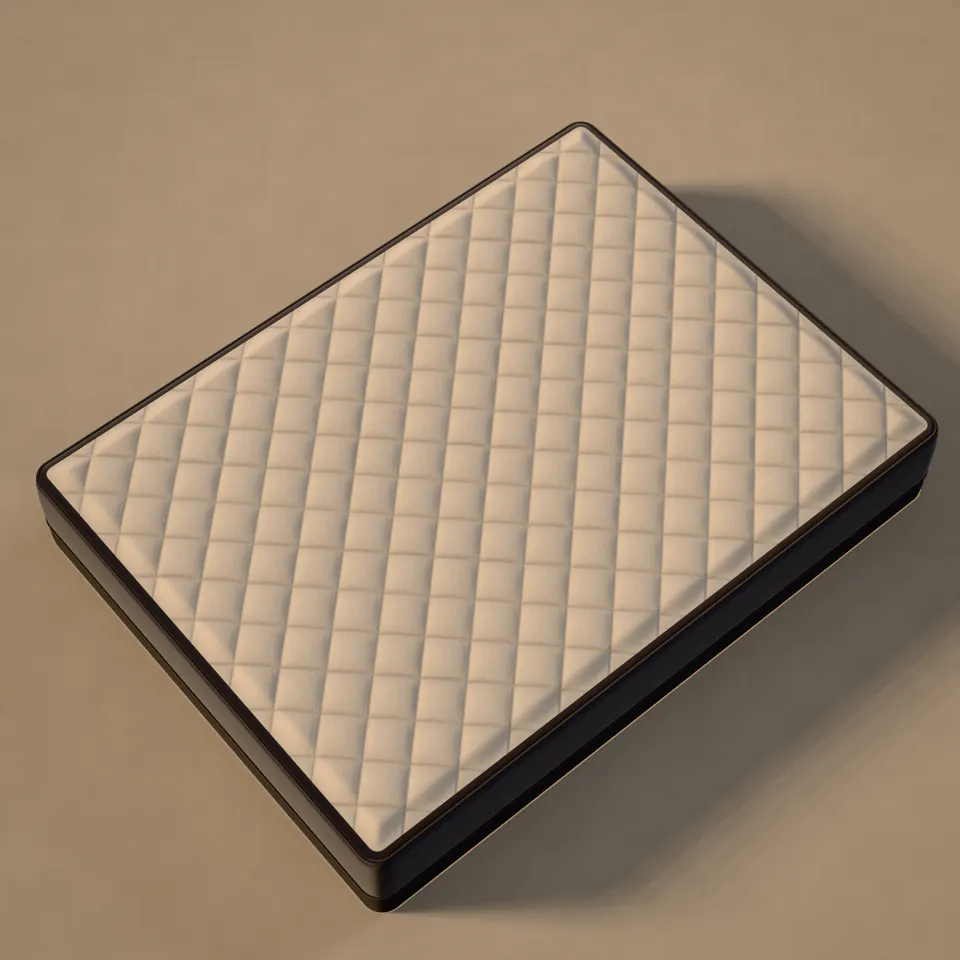
Rank 2: Big Fig
Strong match87/100 for the example profile
Its firmness (about 7.5/10) sits inside the 6–9/10 range that keeps a back sleeper at your weight aligned.
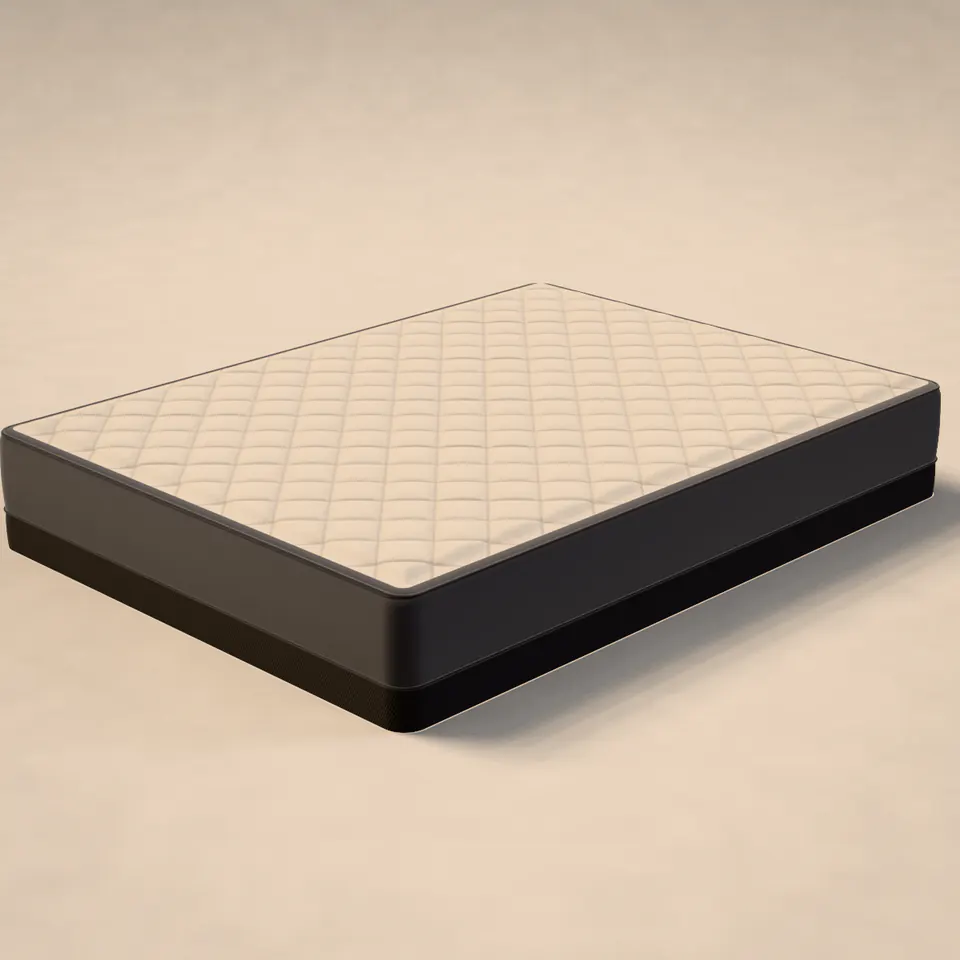
Rank 3: Birch
Strong match83/100 for the example profile
Its firmness (about 7/10) sits inside the 6–9/10 range that keeps a back sleeper at your weight aligned.
Scores are calculated live by scoring model v0.2 for the example profile above, not for you. Change any answer and the order can change. No brand paid to appear here.
FAQ
In our scoring model the comfort window for a back sleeper runs from 4–7/10 under 130 lb to 7–10/10 at 230 lb and up. Inside your window, mattresses closest to the center score best on support.
Yes. A very firm surface can leave the small of the back unsupported and press on the shoulder blades and tailbone. The engine treats firmness above your window as a fit problem, not as extra support.
No type is required. Hybrids and latex tend to combine a supportive core with some surface give, which suits many back sleepers, but a well-matched foam mattress can work too. Check each mattress’s support score for your profile rather than its type.
Start the quiz as a back sleeper and add your weight, temperature and partner to see your own comfort window and matches.